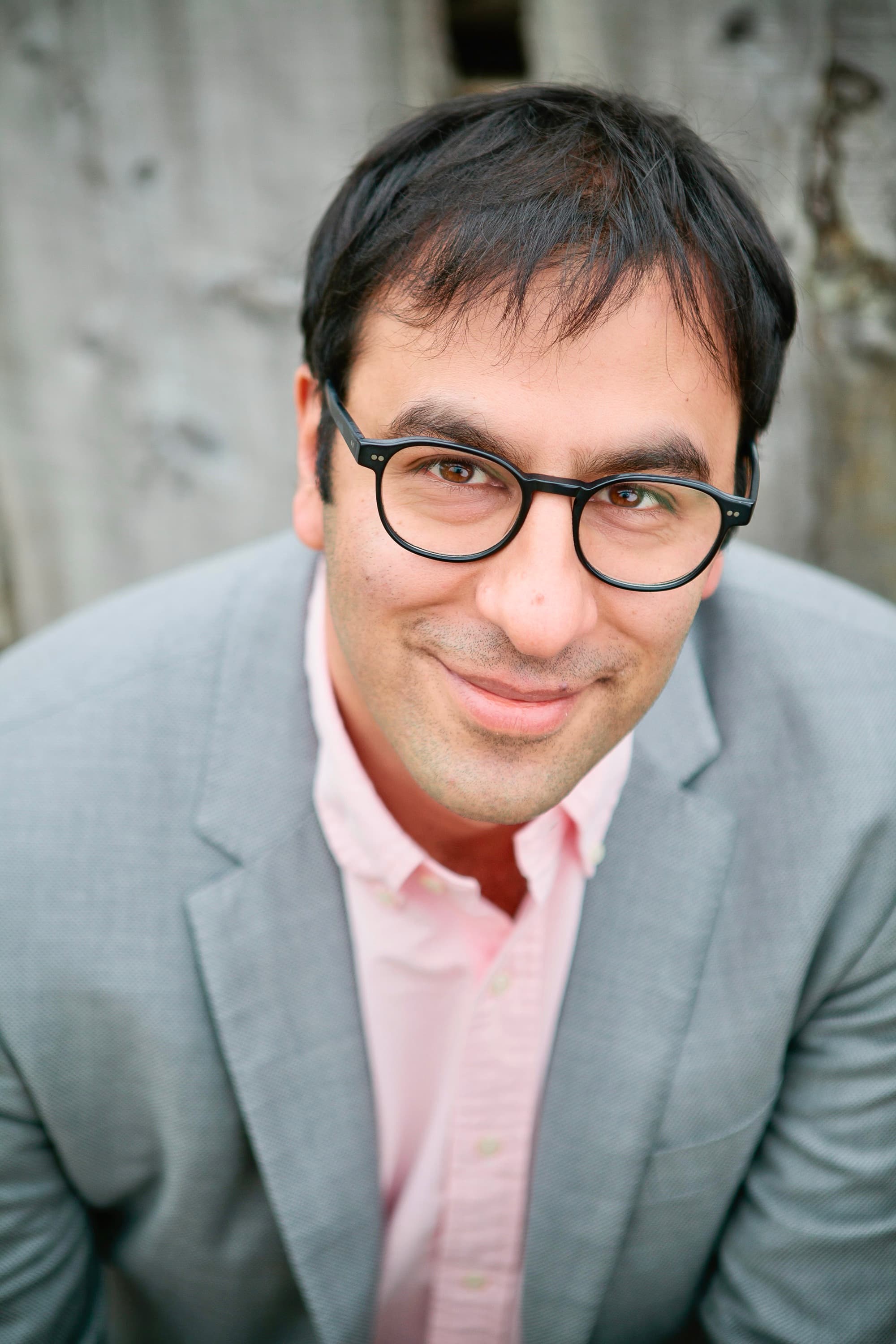
About
Dr Ali Khavandi
The interventionalist who’d rather you never needed him.
I am a Consultant Interventional Cardiologist based in Bath — with a broad, integrated approach to cardiovascular care that spans complex coronary intervention, advanced rhythm management, and a strong focus on prevention.
I trained at leading centres in London and Bristol. My first consultant appointment was at the Royal Brompton and Harefield NHS Foundation Trust. I now work within the NHS at the Royal United Hospital Bath and contribute to the regional heart attack service at the Bristol Heart Institute, alongside a private practice built around thoughtful, personalised care.
Modern cardiology is highly effective — but often standardised. Patients are assessed through protocols and treated according to predefined pathways. That works at scale. It does not always serve the individual.
My approach is different.
A Different Way of Practising
In practice, patients do not always fit neatly into predefined models.
My approach has been to step back from that structure where necessary and focus on first principles — understanding symptoms in context, selecting investigations deliberately, and building a plan that reflects the individual rather than the average.
Sometimes that leads to intervention. Often, it does not.
Breadth and Perspective
Cardiology has become increasingly sub-specialised. The risk is that different aspects of care get managed in isolation.
My practice is built on a deliberately broad foundation in general cardiology — reinforced through editing the UK and European cardiology training textbooks, which requires a continuously updated and integrated view of the field.
I also trained across two subspecialty areas that are often treated separately — coronary intervention and cardiac rhythm management. In practice, these systems are closely linked. Having experience across both allows for a more connected view of symptoms, risk, and treatment decisions.
Prevention and Research
Around 2012, I became increasingly interested in the relationship between lifestyle and cardiovascular disease. Much of what we treat downstream begins upstream — in modifiable factors that medicine has traditionally been slow to address.
That gap was difficult to ignore.
What began as communication — writing for The Observer and contributing to BBC Horizon — evolved into engagement with the fast-moving consumer goods industry. This included working with food branding companies, large food producers such as Kerry Foods, and supermarkets including Sainsbury’s — at a time when the mainstream food industry was beginning to take cardiovascular health seriously.
That work evolved into the Cardiologist’s Kitchen initiative, and then into formal investigator-led research with the University of Bath.
Research grants have followed from NIHR, Heart Research UK, and RUHX — covering coronary plaque regression, atrial fibrillation, and microvascular angina. Three grants secured to date. The research continues.
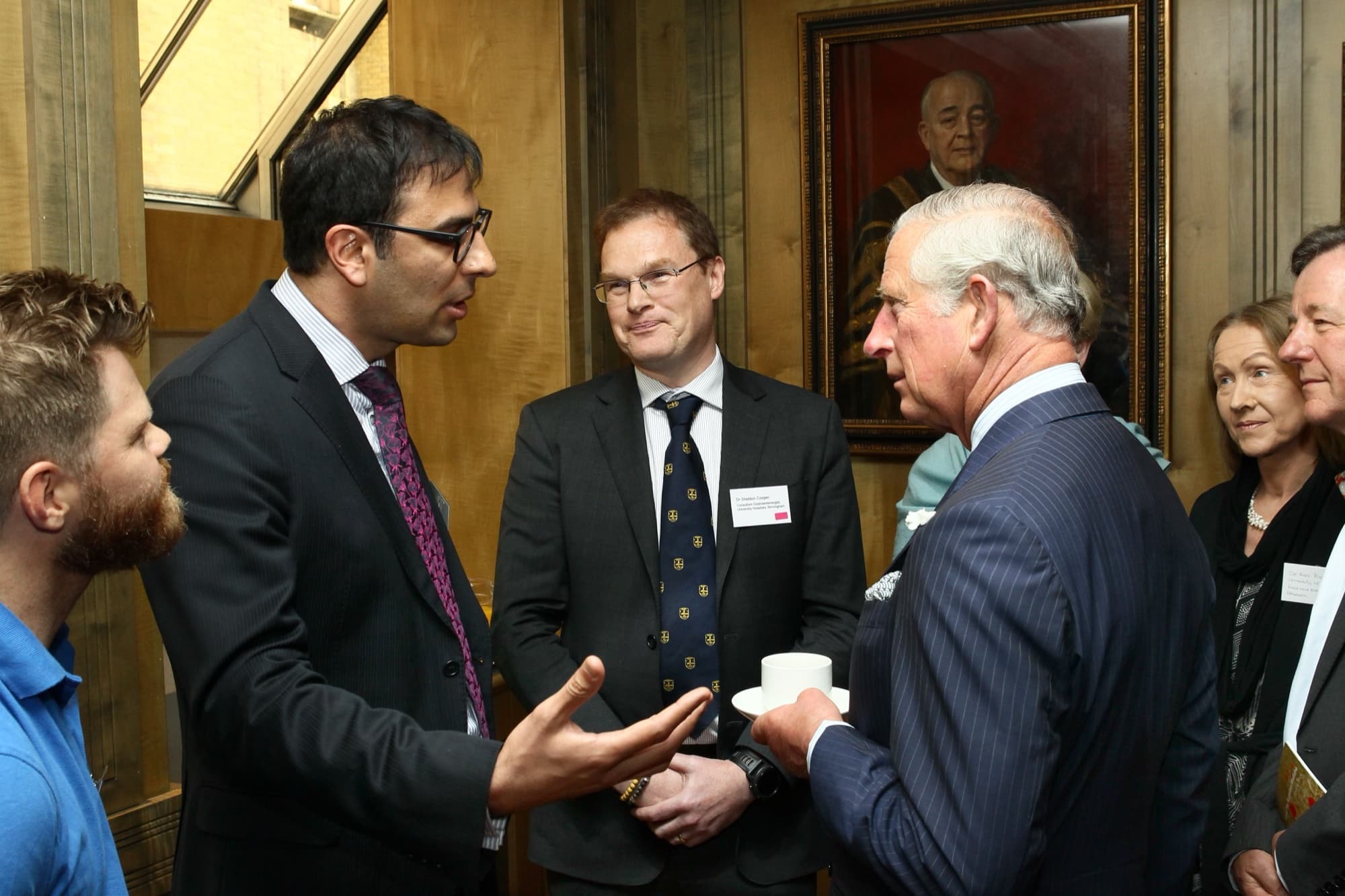
Surgical Skills for Cardiologists
At medical school, I wanted to be a surgeon. I spent considerable time with surgical firms, and my medical elective took me to Johannesburg — where I was put through a basic surgical skills course that left a lasting impression.
Years later, when I began cardiology training, I noticed something that troubled me. The foundational surgical techniques I had been taught were not being applied by more senior colleagues during pacemaker implantation. Cardiology had evolved through a see-one, do-one, teach-one culture — techniques passed informally from cardiologist to cardiologist, rather than being taught systematically. Basic surgical principles had quietly been lost along the way.
It became clear that many complications at surgical sites could be avoided, and patient outcomes improved, simply through better technique.
In 2008, I founded the Essential Surgical Skills for Cardiologists course — a structured programme that brought those foundational principles back into cardiology training. The course was subsequently hosted by the Royal College of Surgeons and has influenced the approach of a generation of cardiologists.
The work also led to a close collaboration with plastic surgeons — developing techniques to minimise pacemaker scars and optimise surgical site outcomes. For patients who had previously faced prominent or uncomfortable device scars, this opened a new set of options.
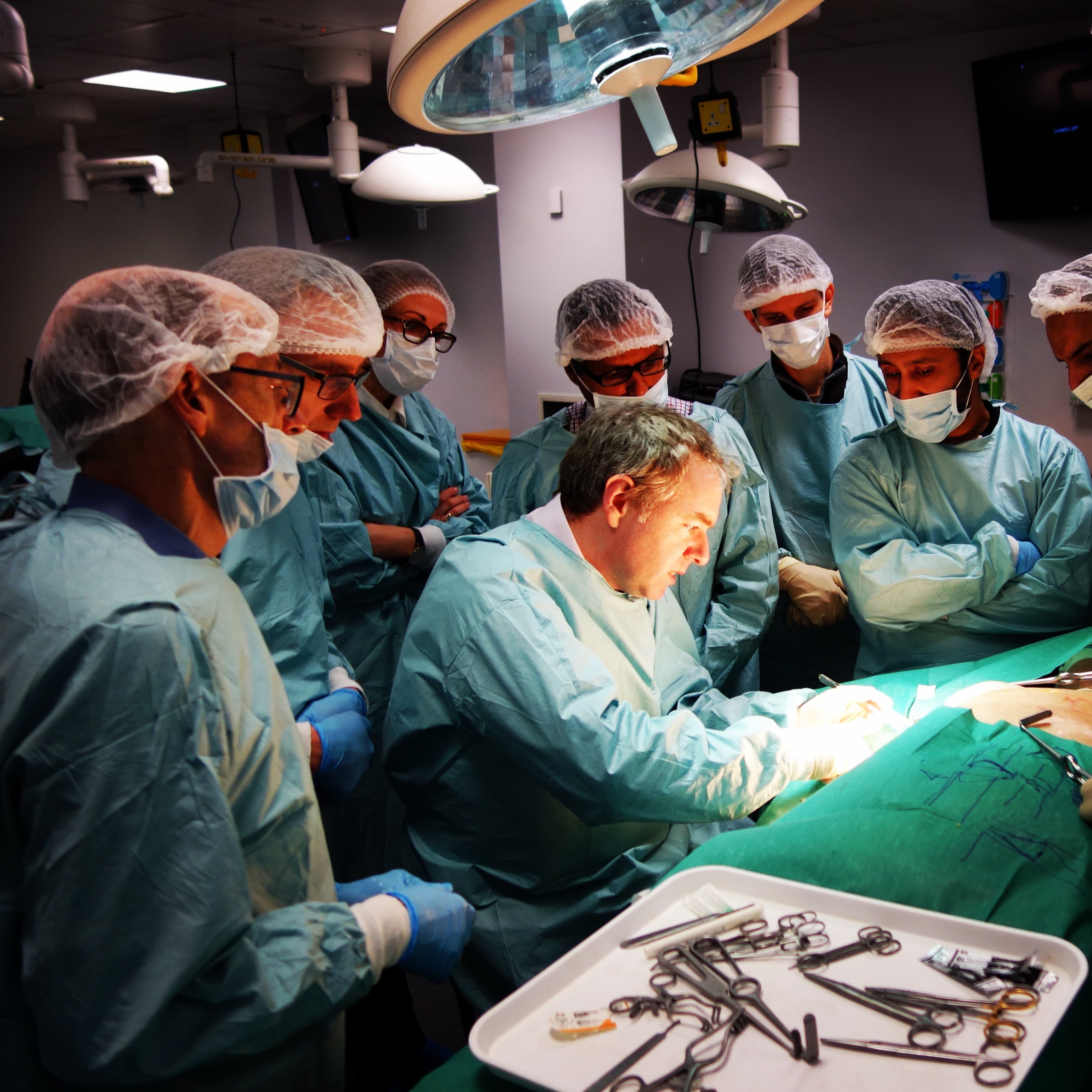
Essential Surgical Skills for Cardiologists — hosted by the Royal College of Surgeons
The Cardiology Textbook
In 2010, as a senior cardiology registrar in Bristol, I identified a gap that had not been filled.
A new specialist examination was being proposed for the first time — a knowledge-based assessment to test cardiology trainees on the core curriculum before they became consultants. For previous examinations such as the MRCP, trainees had long relied on a trusted resource: a well-annotated, comprehensive but concise revision textbook, typically accompanied by a multiple choice question book. Something that served you through the exam — and continued to serve as a clinical reference long after.
No equivalent existed for cardiology.
I approached Oxford University Press and had the book commissioned. I then edited and organised a group of national expert authors to produce Essential Revision Notes for the Cardiology KBA — published in 2013.
The book became the standard revision resource for cardiology trainees in the UK. It subsequently evolved into the pan-European cardiology training textbook, which remains the core curriculum resource for trainees across Europe today.
The BMJ awarded it Book of the Year.
CardioFIT
In 2016, I developed CardioFIT — a medically led lifestyle and rehabilitation programme that connects cardiology, exercise and dietary expertise into one supervised pathway. The full story of how it works and who it serves lives on its own page.
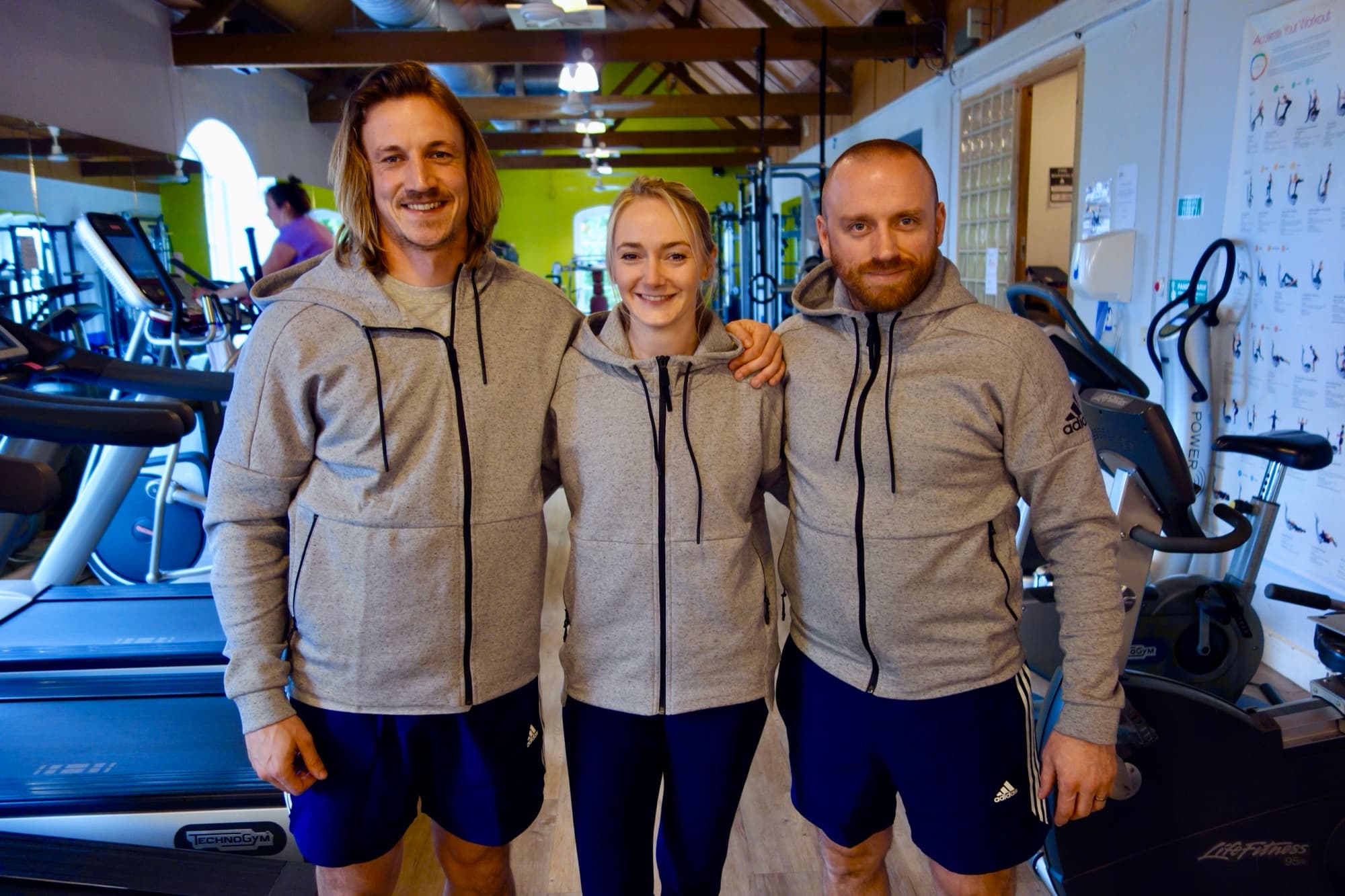
CardioFIT — bridging cardiology and structured lifestyle support
System-Level Work
In 2019, I was appointed Medical Director for Virgin Care in Bath and North East Somerset — one of the UK’s largest independent healthcare providers at the time. Virgin Care subsequently became HCRG Care Group, and I have continued in the Medical Director role through that transition.
The appointment was an opportunity to engage directly with how healthcare is designed and delivered at a system level, rather than just within a consulting room.
Clinical Practice Today
In day-to-day practice, this translates into a balance between prevention and intervention.
For some patients, the priority is procedural treatment — delivered using contemporary, minimally invasive techniques with careful attention to detail and outcomes.
For others, the focus is on reducing risk, improving symptoms, and addressing the underlying drivers of disease through lifestyle and targeted medical therapy.
Often, it is a combination of both.
Professional Timeline
King Edward's School, Bath
Four A grades at A-level. Leavers' Prize for outstanding all-round performance.
University of Manchester Medical School
House Officer
South Manchester University Hospital
Senior House Officer, Emergency Medicine
University College London
Medical Rotation
Bristol Royal Infirmary. MRCP completed within 18 months.
Specialist Training in Cardiology
Bristol Heart Institute
Consultant Cardiologist
Royal Brompton and Harefield NHS Foundation Trust
Consultant Cardiologist
Royal United Hospital Bath
Selected Milestones
A track record of innovation.
2008
Founded Essential Surgical Skills for Cardiologists course — subsequently hosted by the Royal College of Surgeons. Introduced systematic surgical technique training into cardiology, and led to collaboration with plastic surgeons on scar minimisation techniques.
2010
Identified gap in cardiology training resources. Approached Oxford University Press and had the core cardiology training textbook commissioned.
2013
Essential Revision Notes for the Cardiology KBA published — edited and organised by Dr Khavandi. BMJ Book of the Year. Subsequently evolved into the pan-European cardiology training textbook — the current core curriculum resource for trainees across Europe.
2016
CardioFIT founded — integrated cardiology and lifestyle programme.
2016–17
Health Foundation Award — Cardiologist’s Kitchen.
2018
National Corporate Remote Cardiology Service established — rapid-access cardiology with integrated diagnostic pathways.
2019
Medical Director, Virgin Care, Bath and North East Somerset. Virgin Care subsequently became HCRG Care Group.
2021–present
Research grants secured from NIHR, Heart Research UK, and RUHX. Three grants to date — coronary plaque regression, atrial fibrillation, and microvascular angina. Research ongoing.
Background
I was born and raised in Bath, with Persian heritage, and have remained closely connected to the city throughout my career.
I went to King Edward’s School — four A grades at A-level, Leavers’ Prize for all-round performance. Much of my childhood was shaped by sport — playing rugby through the winters and spending long stretches of summer at Lansdowne Tennis Club.
I went on to study medicine in Manchester, where I was awarded a Professorial House Officer post, before completing specialist training in London and Bristol.
I am married to Heidi. We have two children — Ara and Leo — both now at King Edward’s, which has a particular kind of continuity to it.
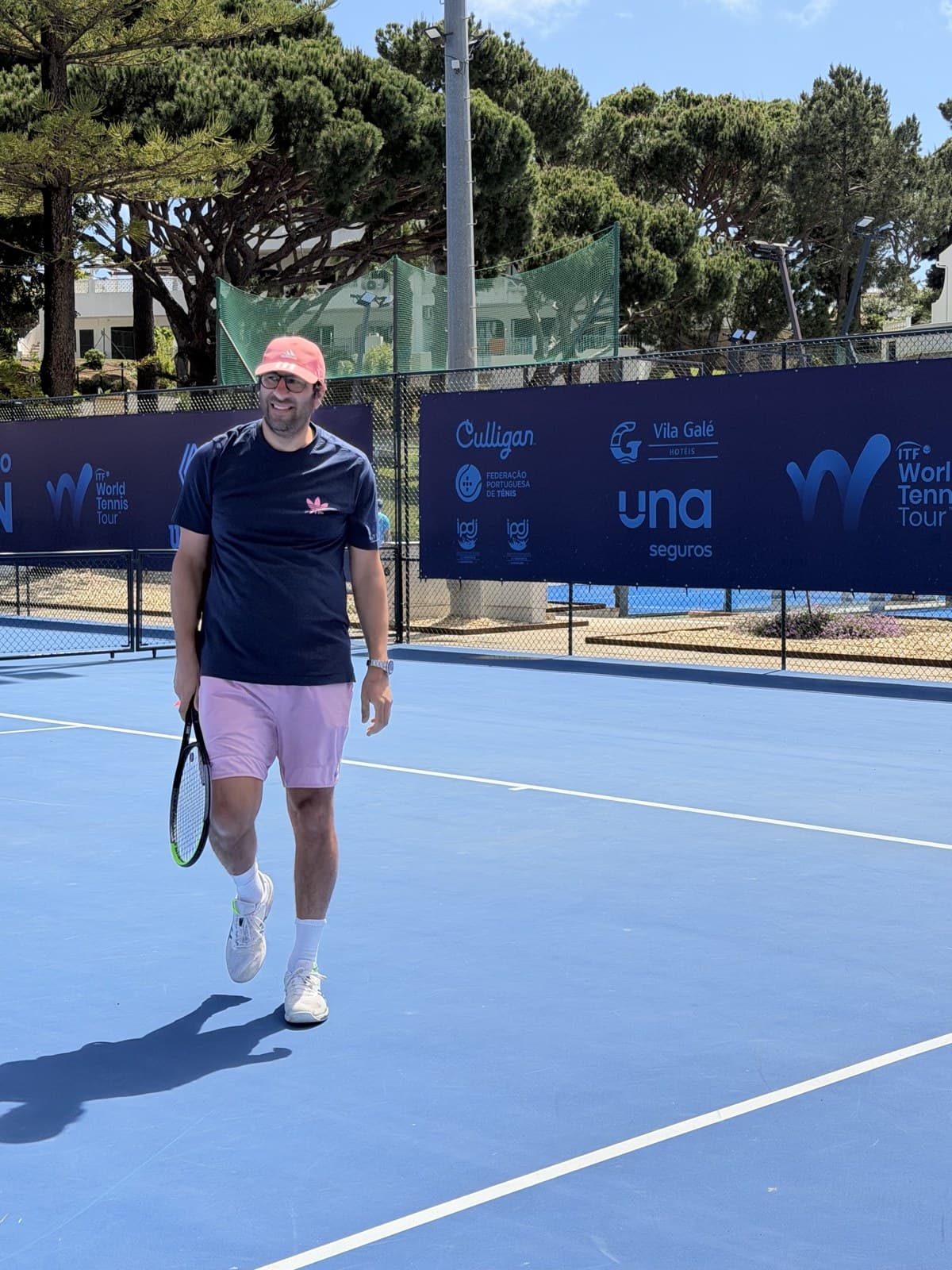
Outside medicine I still play tennis regularly, have developed a strong interest in padel, and enjoy road cycling when time allows. During school holidays we ski in the winter and spend time in Portugal and Spain — particularly Jávea.
Those rhythms — family, activity, and balance — increasingly mirror how I think about long-term health.
I believe the best cardiology combines technical excellence with thoughtful restraint — and that care should always be both precise and personal.